
When it comes to pet enrichment, a common double standard exists in the pet community. Many owners believe a dog requires hours of interactive toys, agility puzzles, and dedicated play structures, while a cat is perfectly content with a scratching post and a sunny window.
From a behavioral science standpoint, the exact opposite is often true.
While dogs certainly thrive on engagement, their primary evolutionary and social needs are fulfilled through structured exercise and sensory exploration specifically, the daily walk. Cats, on the other hand, possess a hardwired biological imperative that makes toys and targeted play an absolute non-negotiable for their mental and physical health.
Let’s look at the data-driven reasons why your feline needs an active toy box, and why your canine companion is perfectly happy with a simple stroll around the block.
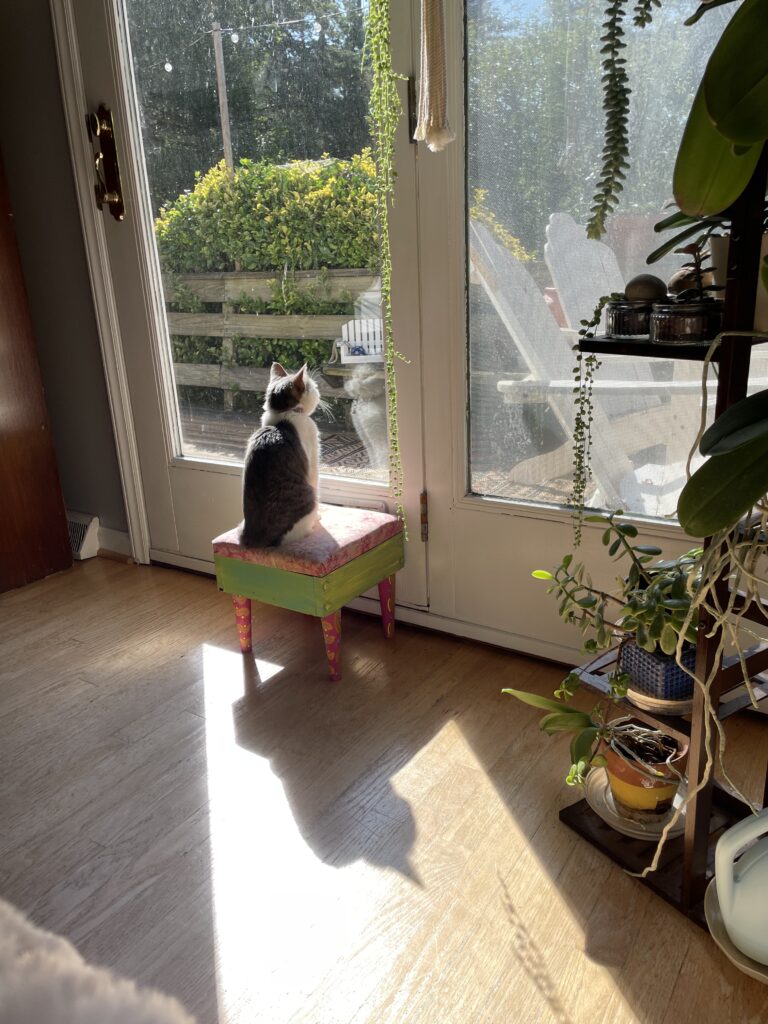
1. The Feline Evolutionary Imperative: The Predatory Chase
To understand why cat toys are vital, we have to look at biological classification. Dogs are opportunistic scavengers and pack hunters; their ancestors traveled miles tracking scents and working in tandem. Cats are obligate carnivores and solitary ambush predators.
In the wild, a cat spends a massive portion of its waking hours engaging in the predatory loop:
- Stalking
- Pouncing
- Capturing
- Biting/Killing
When we bring cats indoors, their environment becomes entirely static. The food arrives in a bowl, requiring zero cognitive or physical effort. Without targeted toys that mimic prey (like feather wands, laser pointers, or motorized mice), this hardwired hunting instinct has nowhere to go.
Without an outlet, this pent-up predatory energy manifests in behavioral issues. If a cat isn’t given toys to “kill,” they will often substitute your ankles, household curtains, or resident sidekicks.
2. Why the Daily Walk Safely Satisfies a Dog’s Brain
Many dog owners buy an endless array of squeaker toys and puzzle feeders, assuming their dog needs constant stimulation inside the house. However, behaviorists note that a canine’s most complex mental stimulation comes from environmental tracking.
A structured daily walk satisfies a dog on multiple levels that toys simply cannot touch:
- The “Sniffari” Effect: A dog’s primary window into the world is their nose. Allowing a dog to safely sniff trees, fire hydrants, and trails during a walk is the sensory equivalent of a human reading the morning news. It provides immense cognitive stimulation that tires their brain out far more effectively than playing fetch in a living room.
- Social and Territory Tracking: Walking allows dogs to understand their broader environment, mark territory boundaries, and process the scents of other animals.
- Pack Synchronization: Walking side-by-side with a human handler mimics a pack moving together toward a goal, building deep psychological security and calm submission.
Once a dog returns from a solid, scent-heavy walk, their instinctual checklist is largely complete. They enter a natural resting phase. While a game of tug-of-war is an excellent bonus, a dog does not structurally require toy-based play to maintain psychological equilibrium the way an indoor cat does.
3. The Psychological Cost of Feline Boredom
When a dog is bored, it is usually obvious: they might chew a shoe or bark at the window. When a cat is bored, the signs are much quieter, often leading owners to assume their cat is just “lazy” or “independent.”
In reality, a lack of interactive toy play in felines frequently leads to:
- Psychogenic Alopecia: Over-grooming out of sheer anxiety or boredom, often leaving bare patches on their stomach or legs.
- Feline Depression: Lethargy that mimics deep sleep but is actually a shutdown mechanism due to a lack of environmental stimulation.
- Mid-Night Hyperactivity: The infamous “3:00 AM zoomies” are almost always a direct result of unspent predatory energy during daylight hours.
Data-Driven Takeaway for Pet Owners
If you want to optimize the health of your animals based on logical behavioral science, shift your energy allocation:
- For your dogs: Prioritize the quality of the walk. Focus less on buying complex indoor gadgets and focus more on expanding their walking routes, varying the terrain, and giving them dedicated “sniffing time.”
- For your cats: Treat play like a daily prescription. Dedicate 10 to 15 minutes twice a day to interactive toy play. Use toys that allow them to complete the stalking-pouncing loop, and always end the session with a small meal or treat so their brain registers a “successful hunt.”
By understanding the distinct evolutionary wiring of our pets, we can stop over-complicating canine entertainment and start giving our cats the predatory outlets they truly need to thrive.


