
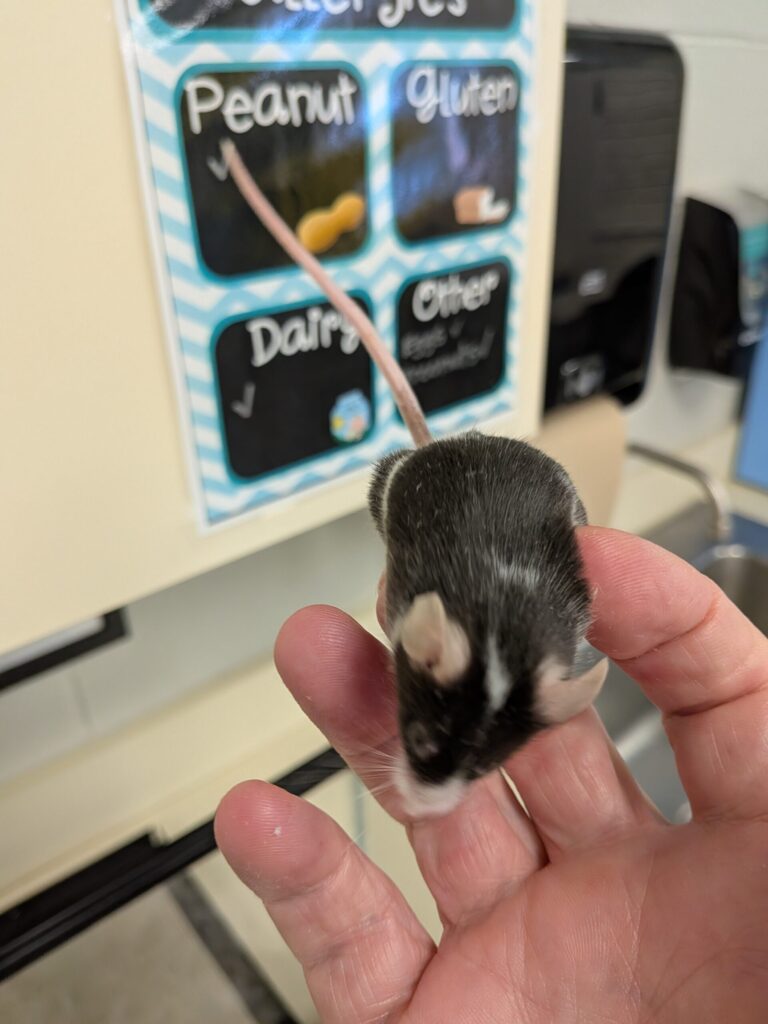
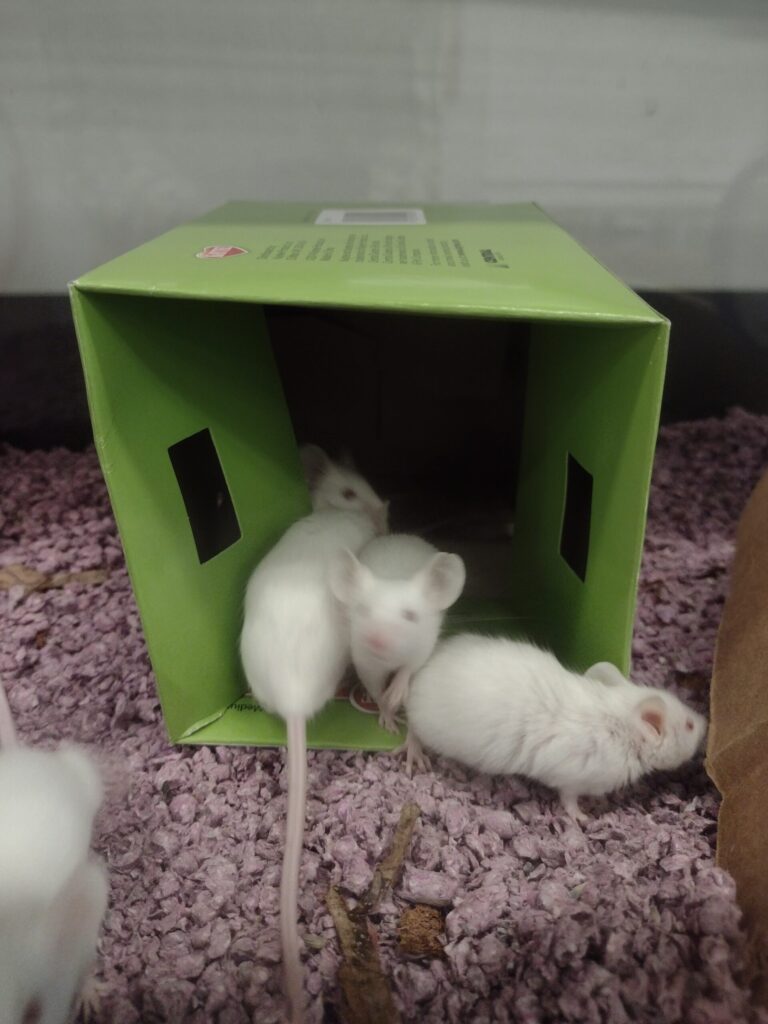
For the past 10 years I have been using mice in my Veterinary science themed summer camp to give young children a memorable first hand experience. Usually I get around 20 mice so can assure the students they all would have at least one mouse to handle each day. The campers are ages 7-12 and quickly fall in love with a special mouse. Even when most the mice are albino, the students tend to identify their “Squiggles” or “Whiskers” from the crowd. Sometimes they will ingeniously use a bit of washable marker to put on a tail but the are meticulous groomer so it soon disappears.
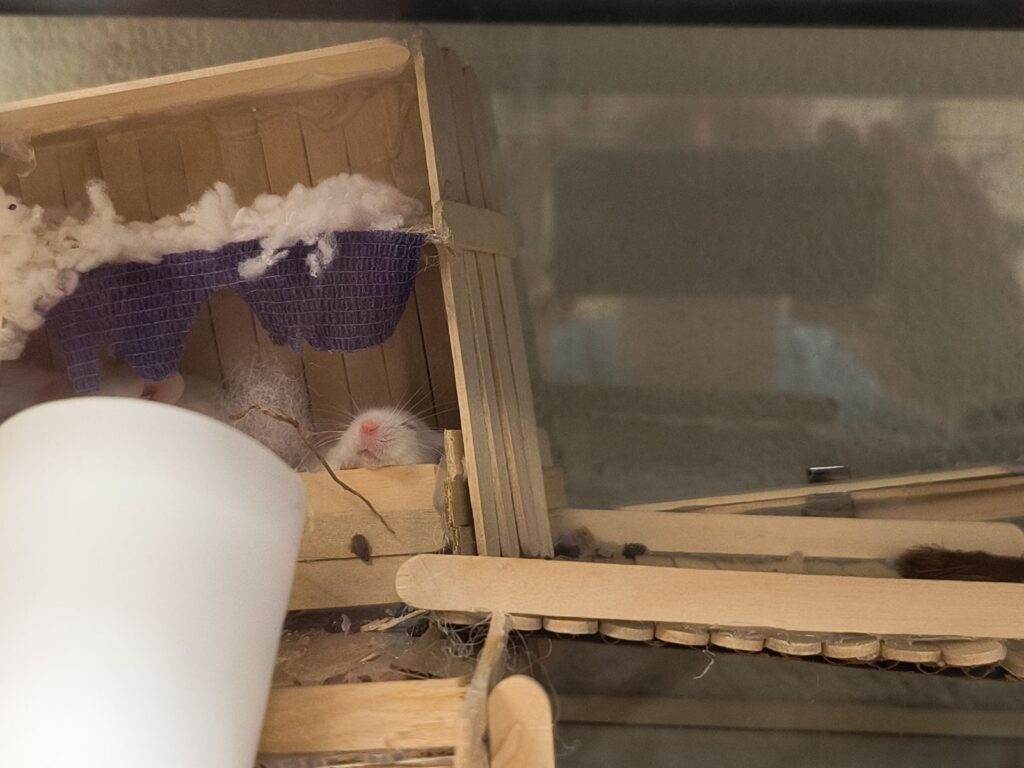
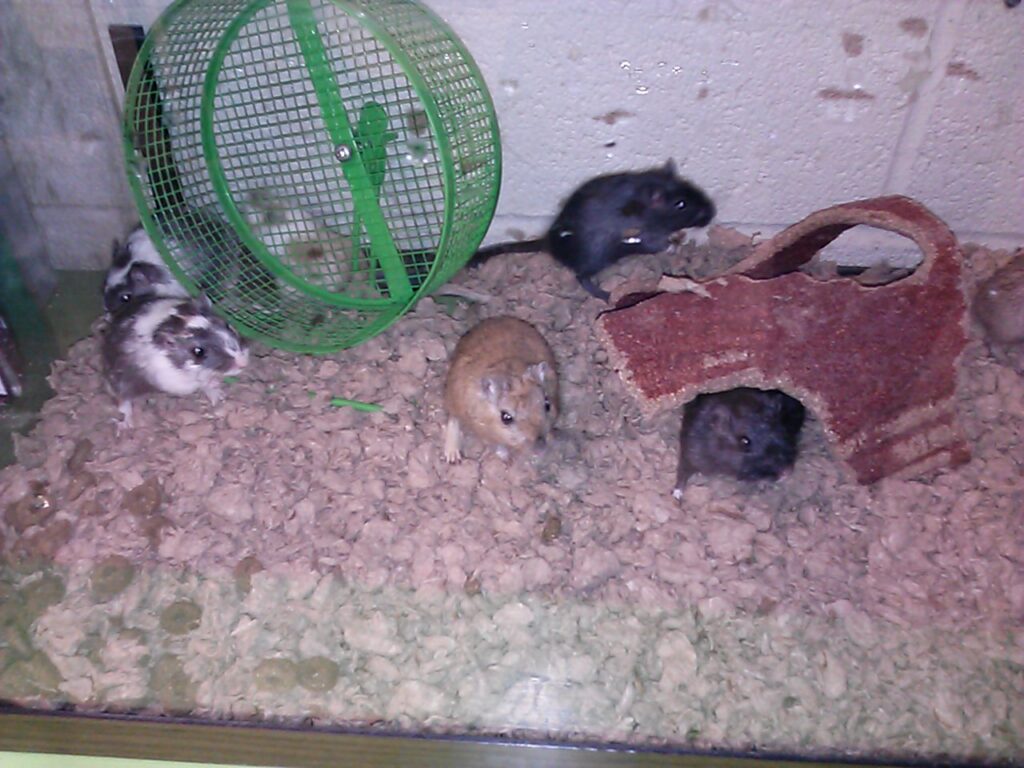
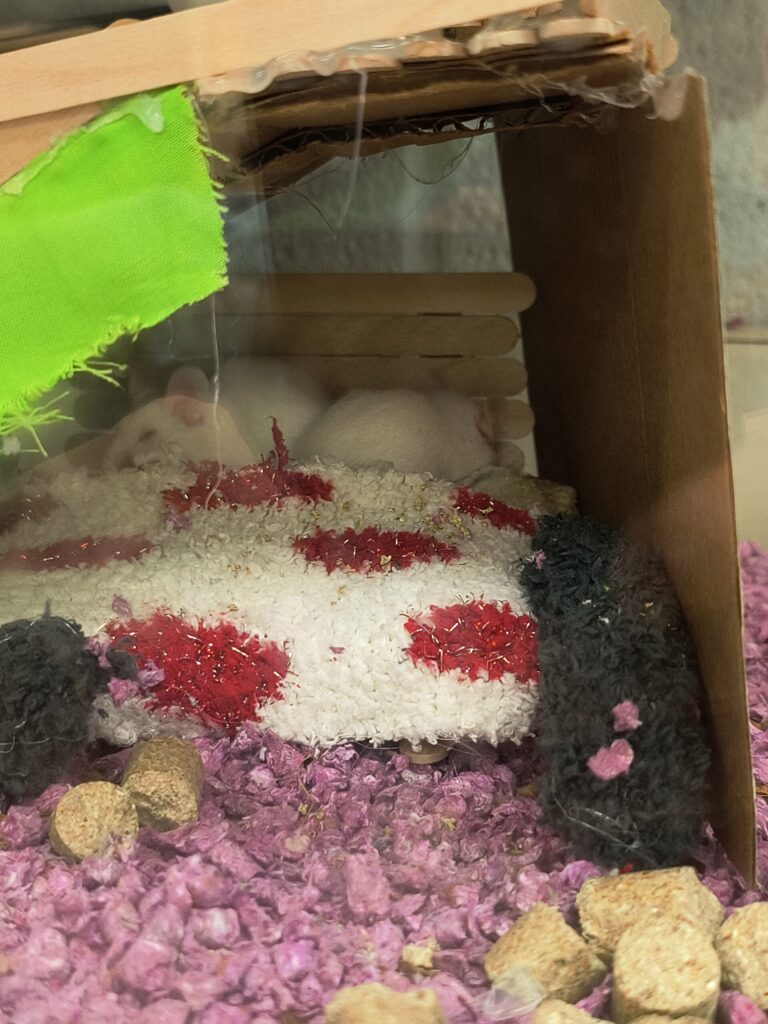
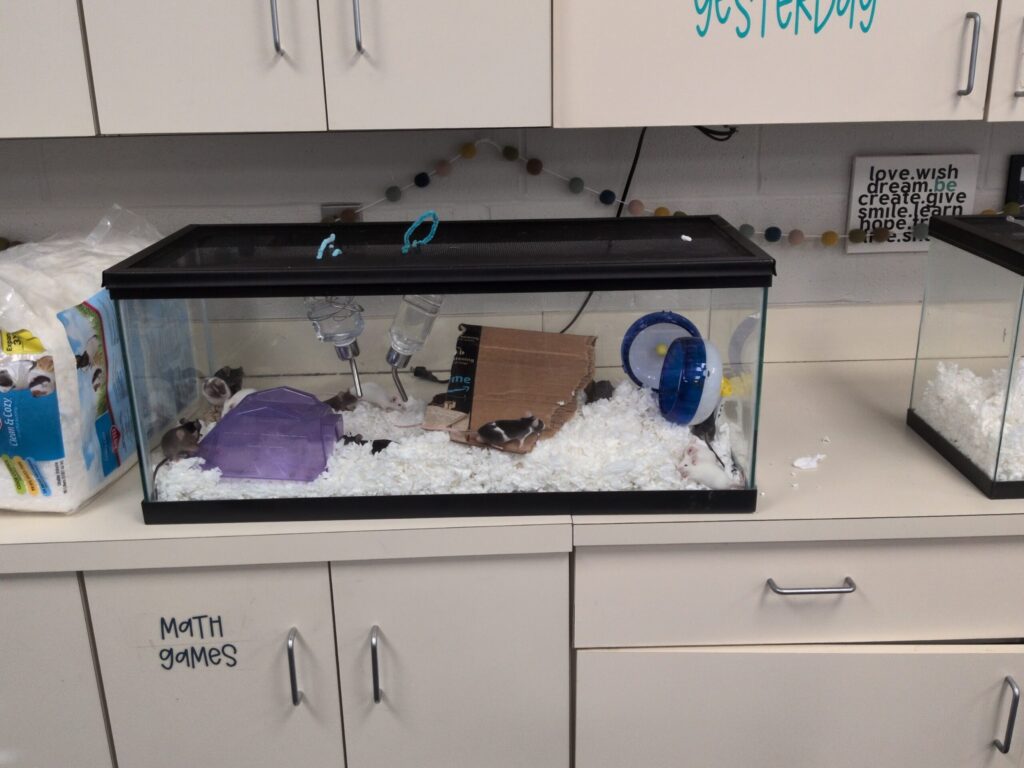
My Habitat Suggestion? Pick Glass over Plastic
Bringing mice into a science lab delivers an unmatched, sweet, and highly interactive experience for students, but managing their unique odor requires the right habitat. To keep your classroom fresh and your animals safe, avoid porous plastic cages that trap and absorb waste/odor.
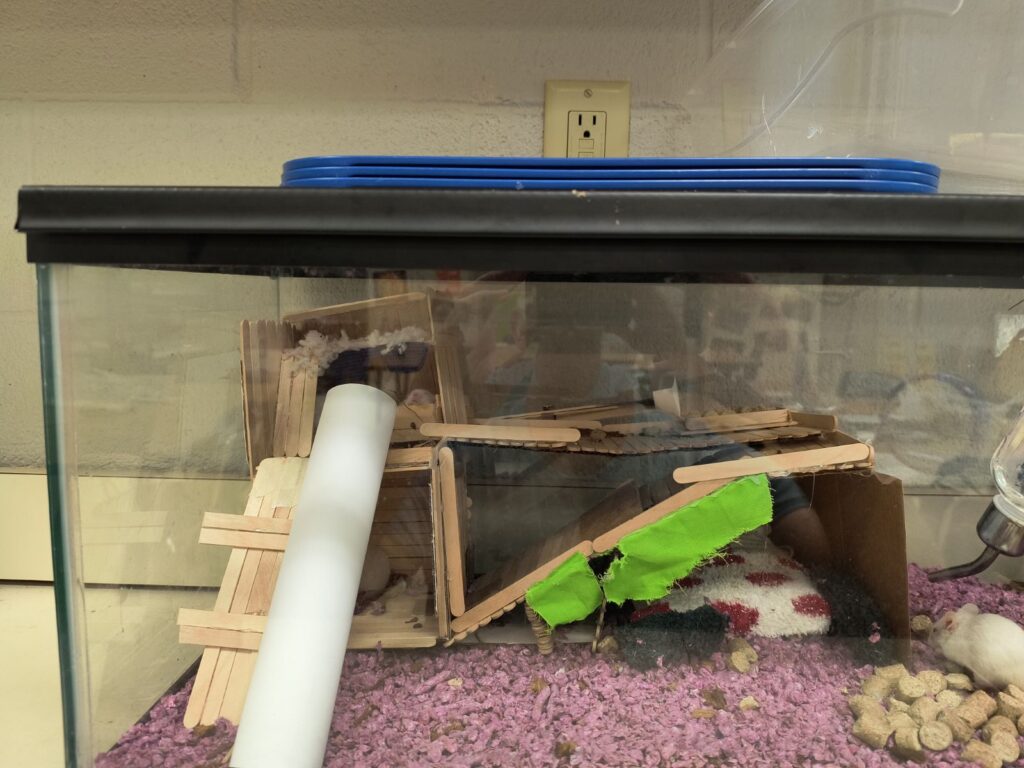
I highly recommend utilizing a heavy-duty, non-porous glass environment (think old fish aquarium). I have 10 gallon setups and much larger setups but tanks are easy to find on Craigslist or garage sales. The accessory you will need to purchase is the correct sized mesh lid (Check them out on Amazon) . The aquarium is plenty deep to add odor-absorbing bedding and ensures a crystal-clear viewing for your student-led observations.
From a Stinky Skink to Smelly Mice: My Classroom has Seen a Lot
Over my 30 years of teacher, first in a Lower School science lab and now as an eighth-grade science teacher, my laboratory classroom has hosted a rotating, vibrant variety of pets over the years. My students and I have raised Pac-Man frogs, managed sprawling freshwater goldfish aquariums, bred gerbils, and cleaned complex box turtle and water turtle aquatic setups. One crowd favorite for a long time was our desert-dwelling Berber skink, also known as a Schneider skink. The kids absolutely loved feeding time, gathering around with wide eyes whenever I brought out a container of live crickets and Pepperoni the skink went into hunt mode.
Through decades of hands-on experience, I learned that small animals differ drastically in how they adapt to young learners. Hamsters, which many teachers default to, proved surprisingly prone to nipping little fingers for no apparent reason, leading to nervous students and unexpected tears. Gerbils were fantastic desert species that rarely urinated, earning student affection because they looked like cute little baby squirrels. However, nothing has matched the absolute magic, warmth, and educational value of my current annual tradition: introducing twenty mice into my classroom every June for a specialized Veterinary Science summer camp.
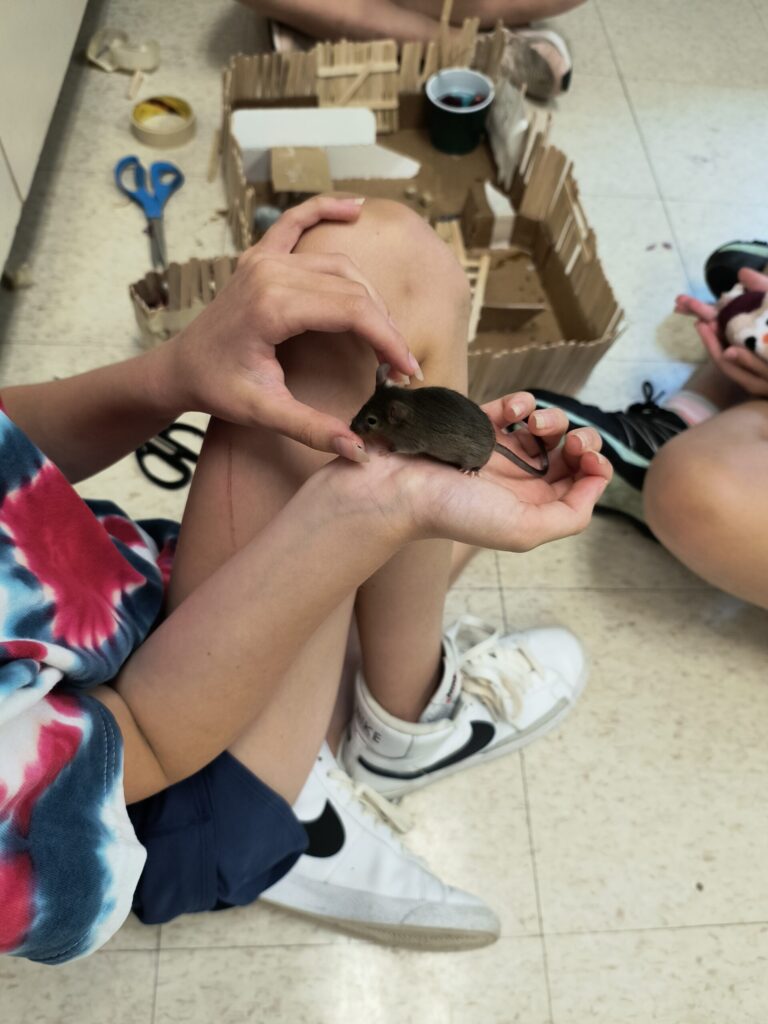
The pure joy these mice bring to the students is impossible to overstate. I purchase them from a local pet shop where they are, unfortunately, sold as simple feeders for snakes. They arrive in my classroom completely unaccustomed to being handled by human hands, let alone an eager group of middle schoolers. Yet, they reveal themselves to be the most amazingly docile, sweet little pets imaginable. In all my years running this camp, it is extraordinarily rare for them to ever try to bite or grab a child’s finger with their teeth. Because I source twenty mice, every single child in my camp receives a personal, one-on-one bonding experience with their own animal for the entire week.
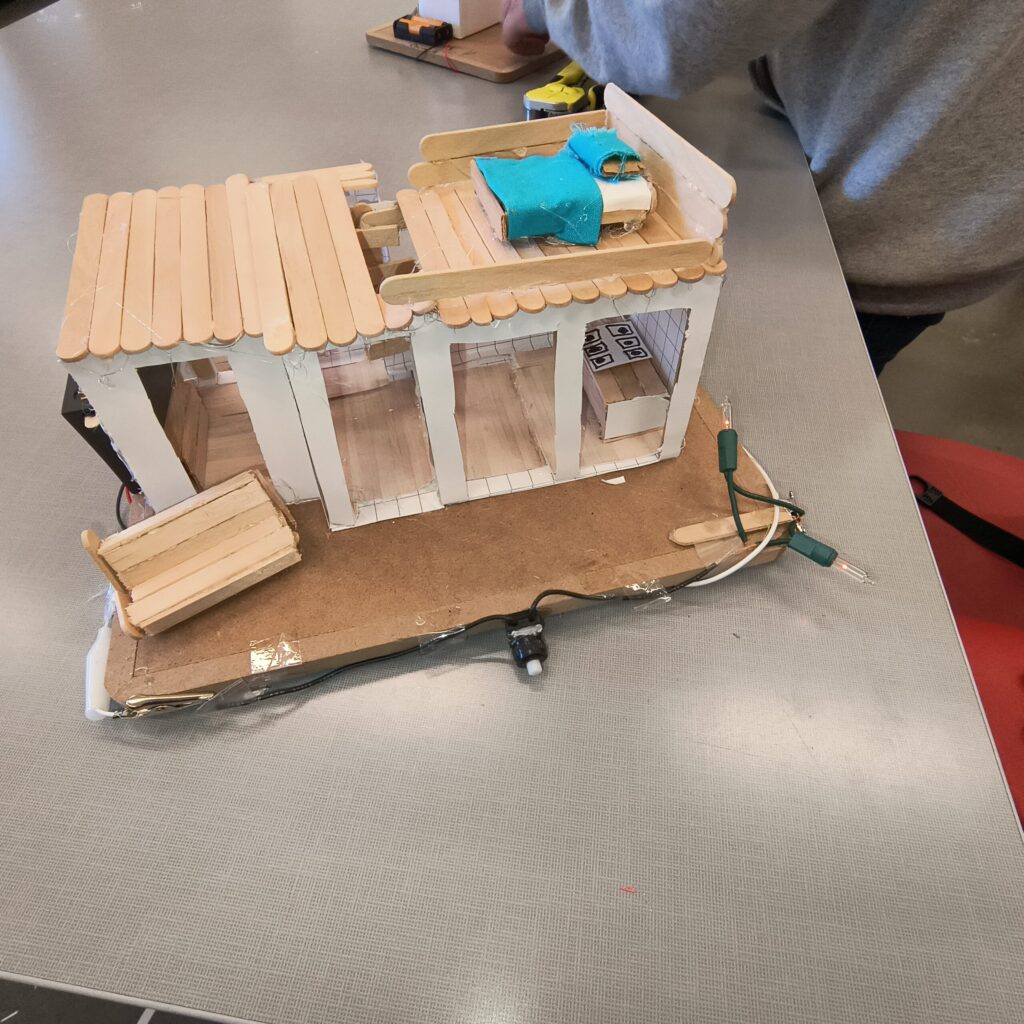
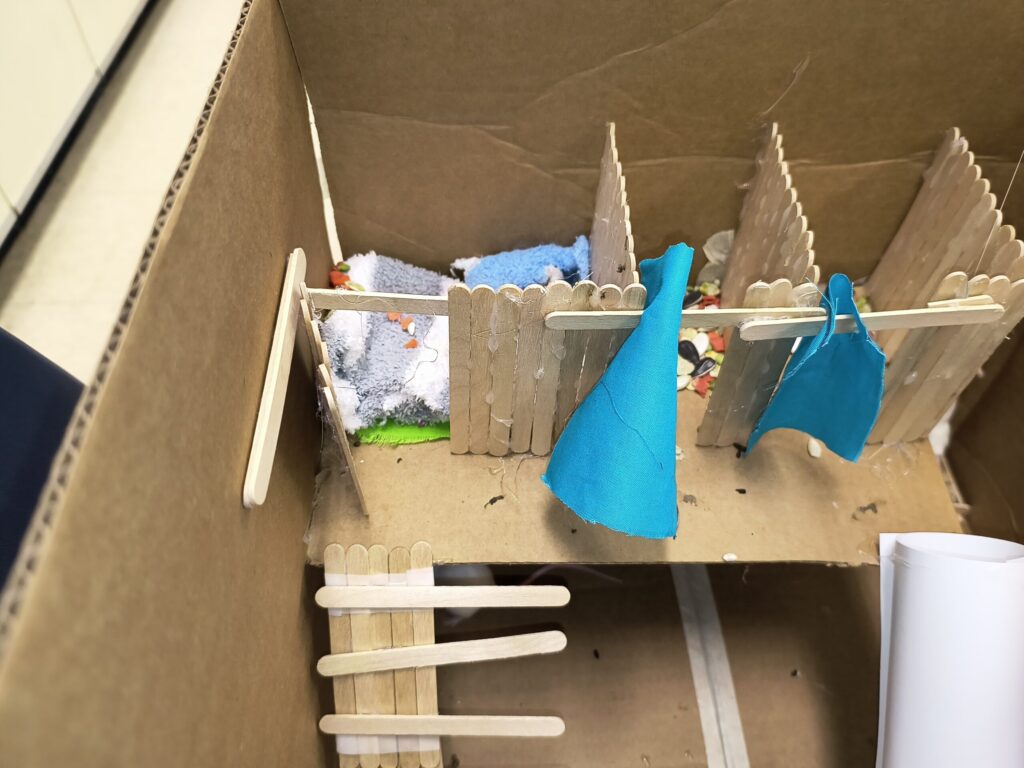
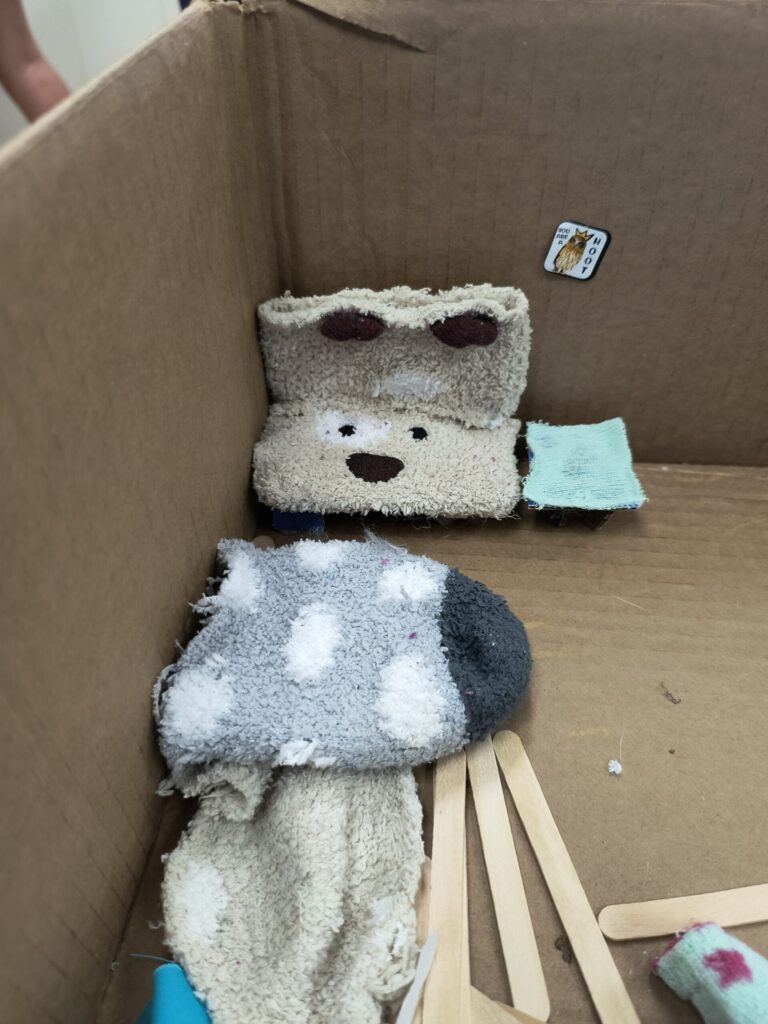
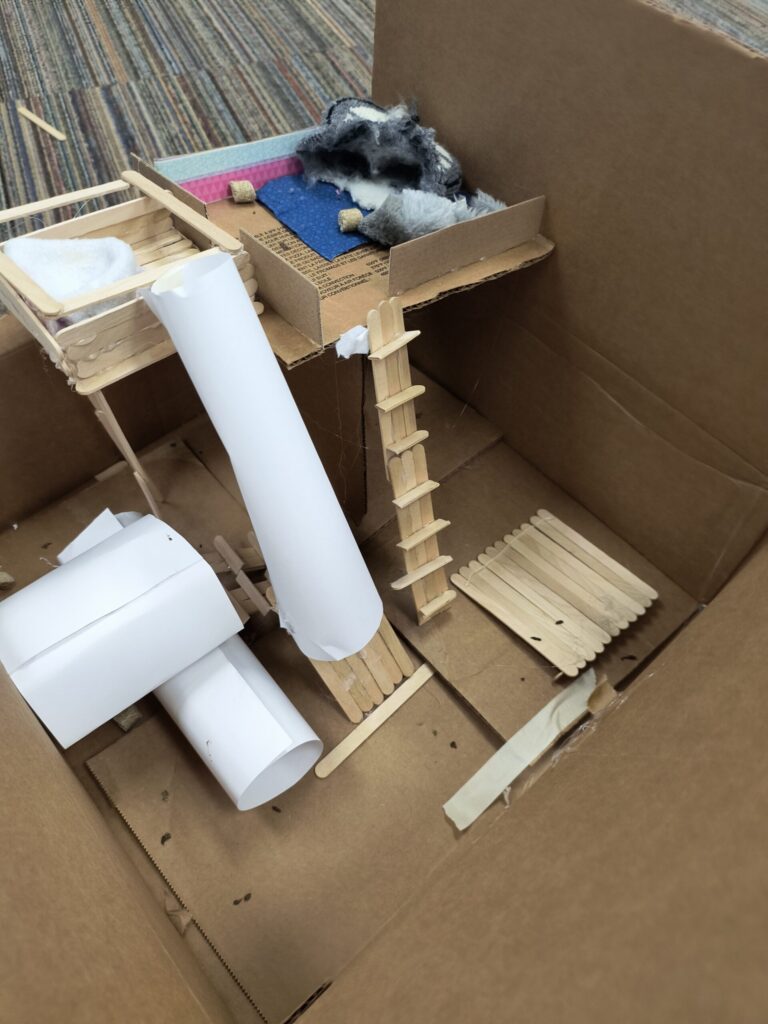
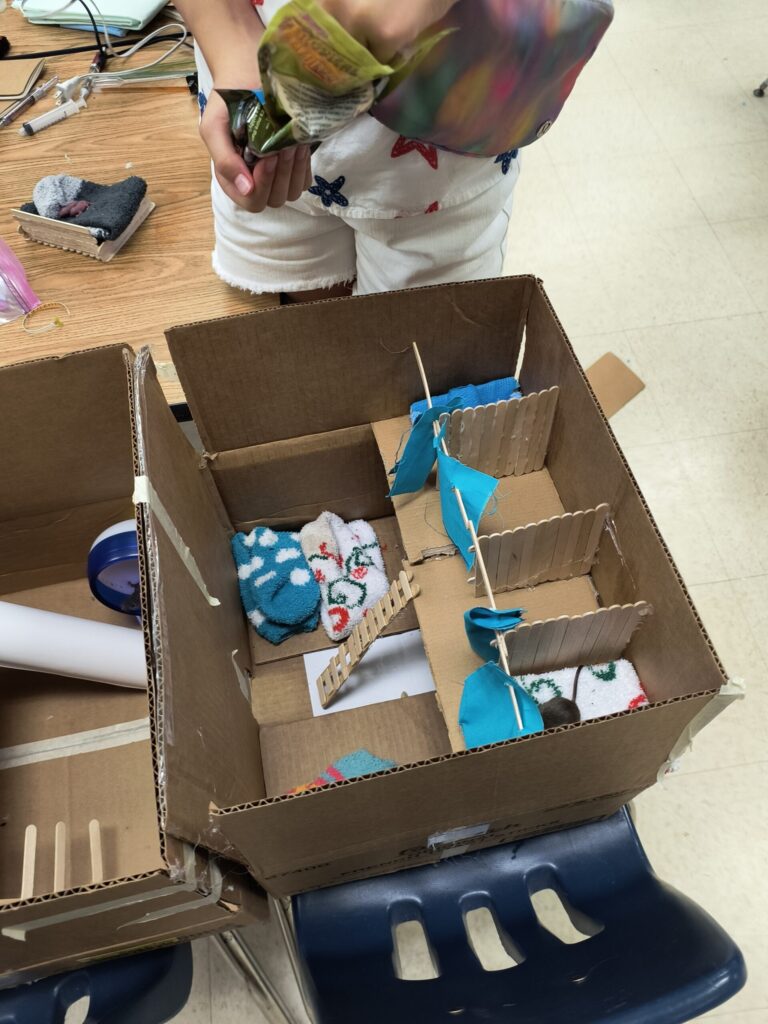
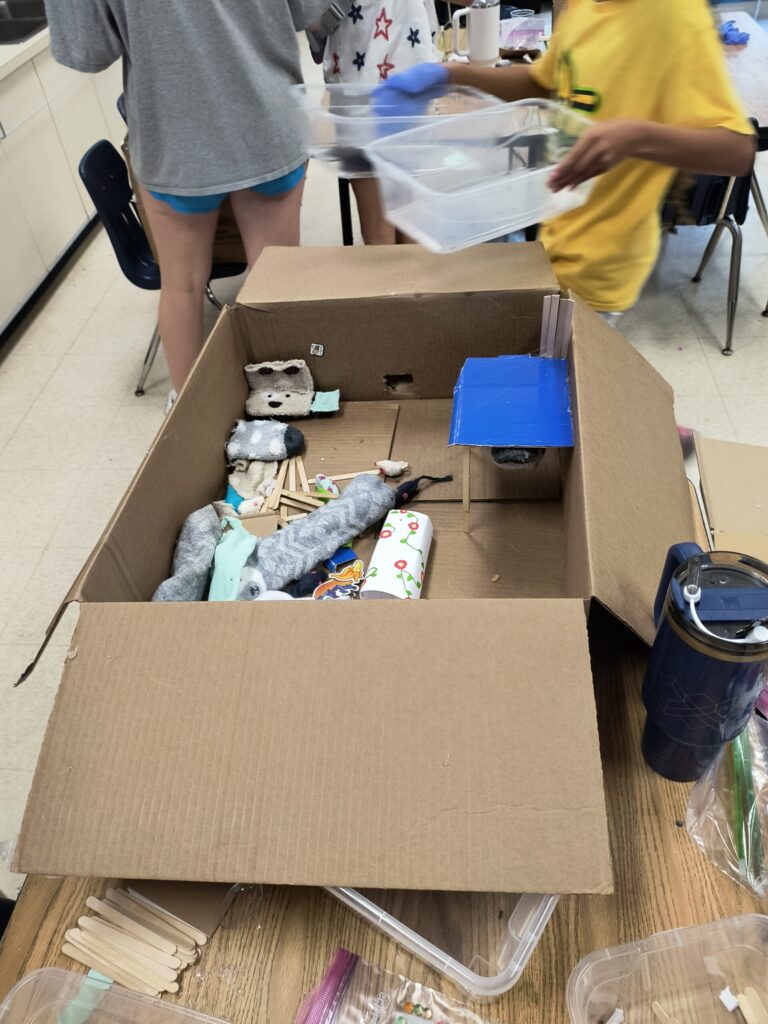
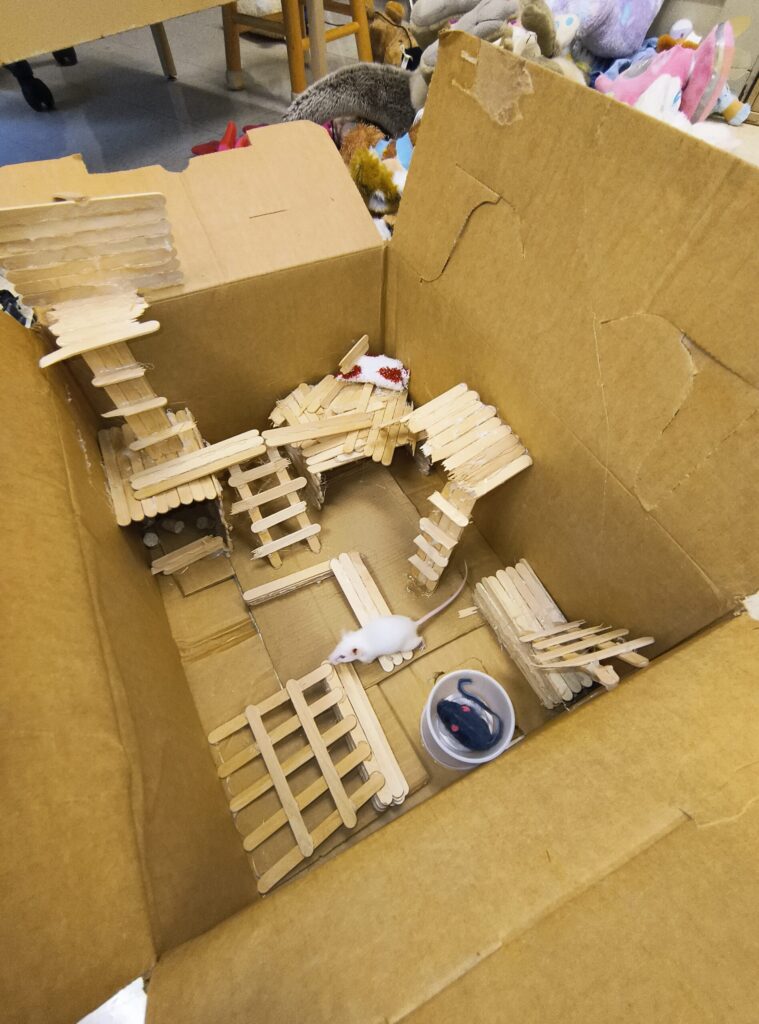
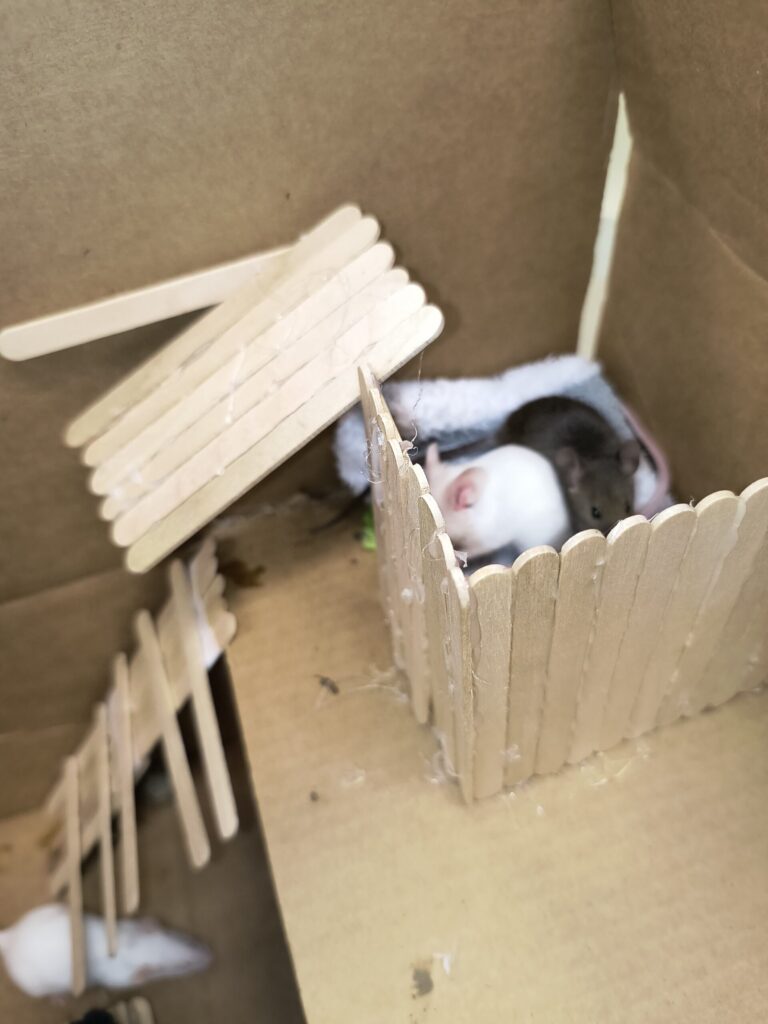
The highlight of our camp adventure is engineering cardboard mazes. The students spend days collecting, cutting, and decorating cardboard boxes, paper towel rolls, and hidden chambers. By Friday, those simple boxes have been transformed into literal multi-level mansions. The mice climb actively through their custom homes, curling up in tiny handmade beds, exploring little simulated bathrooms, and navigating complex play areas. The kids are completely enchanted, learning profound lessons about animal behavior, veterinary care, and gentle handling.
The Great Urine Warning: The Reality of Mouse Biology
While the rewards are massive, I must offer a strong word of warning to any educator looking to copy this setup: mice are incredibly, undeniably smelly due to their frequent urination. When you have twenty mice split between two large enclosures, the odor can easily overwhelm a classroom overnight. Even if you buy the highest-end, premium paper fluff or heavy-duty bedding material on the market, keeping the scent down remains a fierce battle. This is where your choice of caging material becomes the ultimate deciding factor between a fresh, inviting classroom and an olfactory disaster zone.
Most commercial small rodent cages are made of molded plastic. While lightweight, plastic is an absolute nightmare for a high-density mouse habitat. As twenty active mice scurry, climb, and burrow over a week of camp, their sharp little toenails create millions of microscopic scratches on the plastic floor and walls. Because mice urinate constantly, these micro-abrasions quickly become saturated with waste. Over time, the plastic literally absorbs the urine, sealing the stench into the structure of the cage itself. No matter how hard you scrub, it becomes impossible to sanitize completely.
A heavy glass aquarium, on the other hand, is completely non-porous. It does not absorb a single drop of liquid, nor can it be scratched by tiny mouse feet. When the camp week wraps up, you can scrub the smooth glass down completely, leaving a clean, completely odor-free surface ready for the next group of students.
The Classroom Durability Battle: Glass vs. Plastic Cages
To help you weigh the investment for your own school laboratory or science classroom, let us look at how these materials stack up when subjected to the intense demands of twenty energetic camp mice.
| Habitat Metric | Glass Aquarium Setup | Standard Plastic Cages |
| Porosity & Odor Control | Zero absorption. Smooth surface completely isolates waste and washes clean. | High absorption. Pungent urine saturates micro-scratches over time. |
| Chew Resistance | 100% chew-proof. Completely smooth walls provide zero teeth landmarks. | Low resistance. Driven mice can chew through corners, latches, or wire gaps. |
| Student Observation View | Flawless clarity. Provides a crystal-clear viewport for maze tracking and behavior notes. | Hazy and scratched. Plastic quickly turns cloudy and scuffed from cleaning. |
| Bedding Depth for Burrows | Excellent. Tall walls easily contain deep, high-end fluff to manage urine pooling. | **Poor. ** Shallow plastic trays result in bedding kicked all over the classroom floor. |
Why Mice Smell More Than Hamsters: The Biology Breakdown
As a science teacher, I love diving into the mechanics of why things happen, and the biological reason mice smell so much stronger than hamsters or gerbils is truly fascinating to teach. It comes down to evolutionary history, specialized liver chemistry, and social behavioral instincts. The primary culprit behind that unmistakable, persistent “mousy” scent is a highly specialized family of proteins in their urine.
Mice synthesize these proteins in their livers and excrete them in massive amounts through their urine. According to an extensive biological review published in the peer-reviewed journal Frontiers in Physiology, these proteins act as chemical barcodes, allowing mice to communicate identity, dominance, and health status to one another. Crucially, research compiled by scientists on ResearchGate demonstrates that MUP proteins function as a biological time-release mechanism. Instead of allowing volatile scent pheromones to evaporate quickly into the air, the heavy proteins lock the odors in place. This makes the scent trail incredibly persistent to human observers for days, remaining potent long after the urine droplets have completely dried. Hamsters do not utilize this heavily protein-bound urinary scent system, which is why their habitats stay naturally milder.
Furthermore, their behavioral instincts are completely different. Most hamster species are fastidious clean-freaks that select one single “bathroom corner” in their habitat, making daily spot-cleaning incredibly easy. Mice, however, are constant territorial trail-markers. They instinctively deposit microscopic droplets of urine continually as they walk to map out their environment and establish safety lines. When you combine this relentless trail-marking with their high temperate-climate water intake, a plastic cage gets coated across 100% of its surface area, sealing the odor permanently into the plastic. An impermeable glass base, paired with an open wire top, is your only true defense, allowing pheromone vapors to rise out of the living space while keeping the liquid waste completely contained.
Sources
- Hurst, J. L., et al. (2022). “The multi-functional roles of major urinary proteins in chemical communication.” Frontiers in Physiology, 13, 822073.
- National Research Council. (2011). Guide for the Care and Use of Laboratory Animals. National Academies Press.
- Overath, P., et al. (2014). “On the persistence of mouse urine odour to human observers: A review.” Chemical Signals in Vertebrates, 12, 211-223.